

Choosing a cloud provider is ultimately a security decision for most companies, and I’ve seen this play out often enough to understand the weight it carries. Both AWS security and Azure security promise industrial-strength defenses, yet they package these assurances in subtly different wrappers. Getting a handle on those wrappers, how the promises translate into daily operations and responsibilities, might be the single most important pre-migration exercise a security team can undertake.
In this article, I’ll break down identity management, encryption, threat intelligence, compliance certifications, and embedded security tooling, comparing the two vendors feature-for-feature. I’ll lean on real-world implementations, so expect practical nuances rather than feature lists. By the end, you should have a clear idea of which cloud’s security model aligns best with your appetite for risk and your strategic objectives. Let’s get started.
What is Cloud Security Fundamentals?
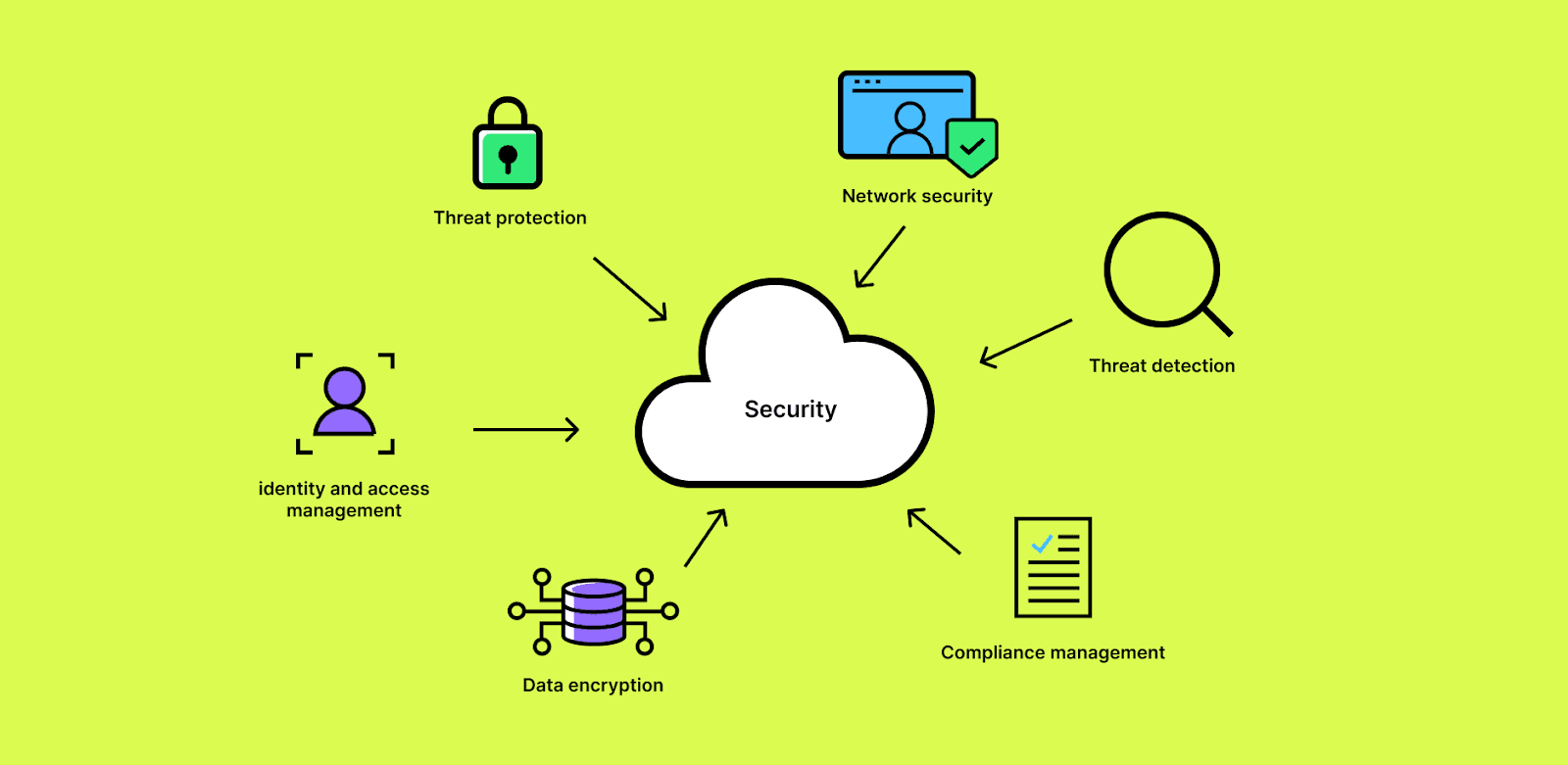
Cloud security consists of the collection of rules, technologies, and safeguards that keep data, programs, and technology safe within cloud spaces. Security rests on a partnership: providers lock down the underlying infrastructure, while customers must secure the information and software they place on that infrastructure.
Modern cloud security frameworks address multiple layers:
Identity and access management: Controls who can use specific resources.
Data encryption: Safeguards data in transit and when stored.
Network security: Monitors and controls traffic throughout the environment.
Threat detection: Discovers and alerts on potentially harmful patterns.
Compliance management: Ensures adherence to regulatory standards.
Both AWS security and Azure security currently channel major resources into these improvements, but they choose different approaches and offer different toolkits.
AWS vs Azure Security: Market Overview
According to a Statista report, AWS leads the global cloud market share at roughly 30%, while Azure holds around 20%. This current distribution affects security investment priorities, shaping how quickly features are introduced across each platform.
AWS Security Approach:
Service-specific security tools and granular permission controls.
Expanding AI-powered threat detection and automation with services like extended GuardDuty and Security Hub, enhanced with AI alerts.
Strong developer and DevOps integration, focusing on infrastructure as code security and advanced identity models (IAM Access Analyzer, Zero Trust).
Extensive third-party and open ecosystem integrations remain core.
Azure Security Approach:
Fully integrated into the Microsoft ecosystem, focusing on unified security management.
Strong emphasis on enterprise-focused features, including expanded AI threat detection powered by Microsoft Defender for Cloud and Azure Sentinel.
Recent MFA enforcement enhancements (now mandatory for many Azure operations).
Advanced Zero Trust architecture deployments and policy controls across hybrid cloud setups.
Increasing focus on proactive compliance management and automated governance.
Both platforms meet major compliance standards, including SOC 2, GDPR, HIPAA, and PCI DSS. However, their implementation methods and audit processes differ significantly.
Core Security Features Comparison
Feature Category | AWS | Azure |
Identity Management | AWS IAM, IAM Identity Center | Microsoft Entra ID |
Key Management | AWS KMS | Azure Key Vault |
Threat Detection | Amazon GuardDuty | Microsoft Defender for Cloud |
Security Monitoring | AWS Security Hub | Azure Security Center |
Network Protection | Security Groups, VPC | Network Security Groups, VNet |
Compliance Tools | AWS Config, Trusted Advisor | Azure Policy, Trust Center |
DDoS Protection | AWS Shield | Azure DDoS Protection |
Network Firewall | AWS Network Firewall | Azure Firewall |
Identity and Access Management
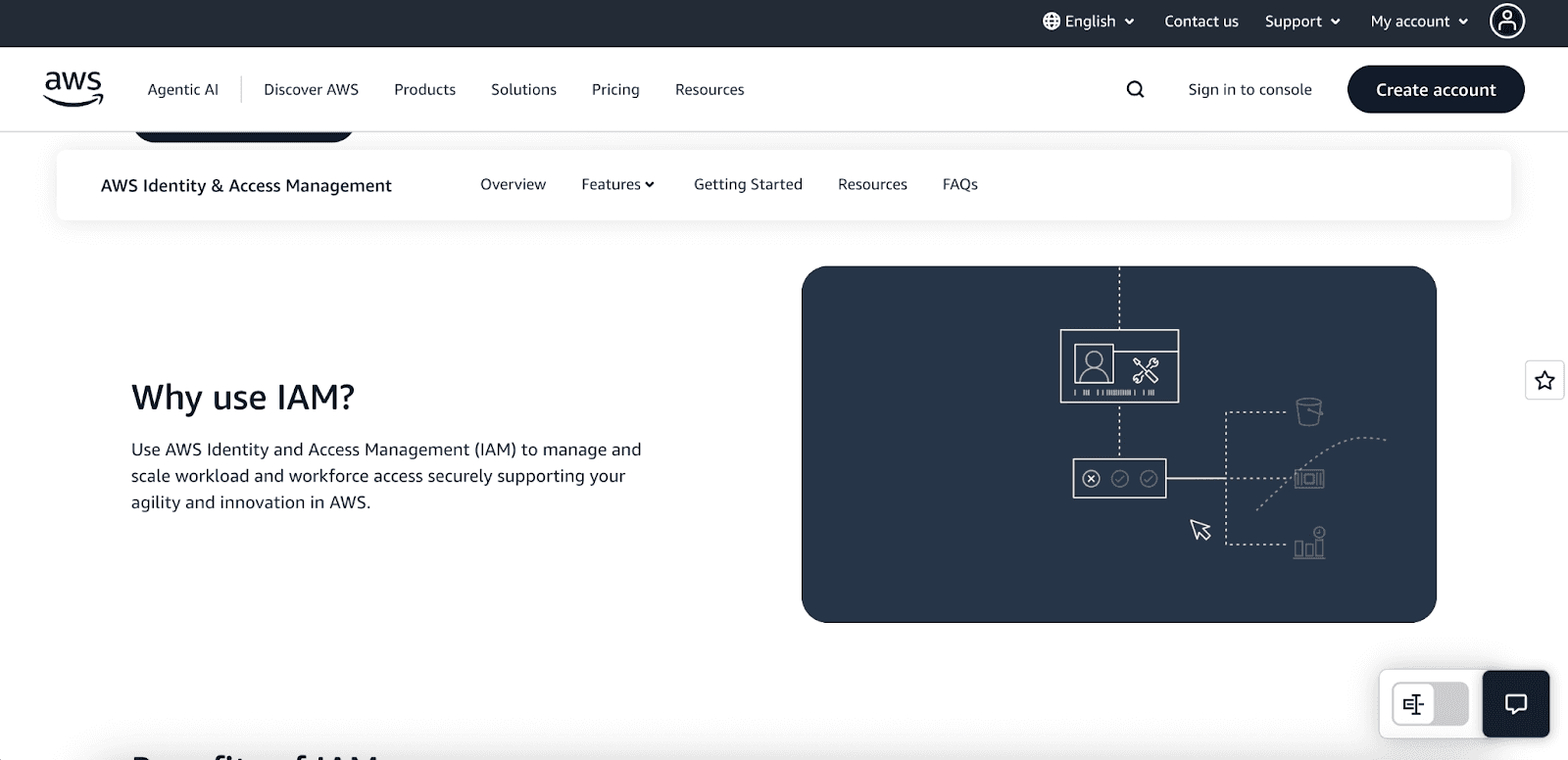
AWS IAM delivers granular access management through finely tuned policies, roles, and user identities. Its JSON-based policy syntax permits exact permission control, although it requires familiar coding know-how for optimal use.
Key AWS IAM features:
Role-based permissions tied to short-lived credentials.
Cross-account roles for seamless access between AWS accounts.
SSO via AWS IAM Identity Center.
Built-in multi-factor authentication.
API access via AWS CLI, SDKs, and CloudFormation.
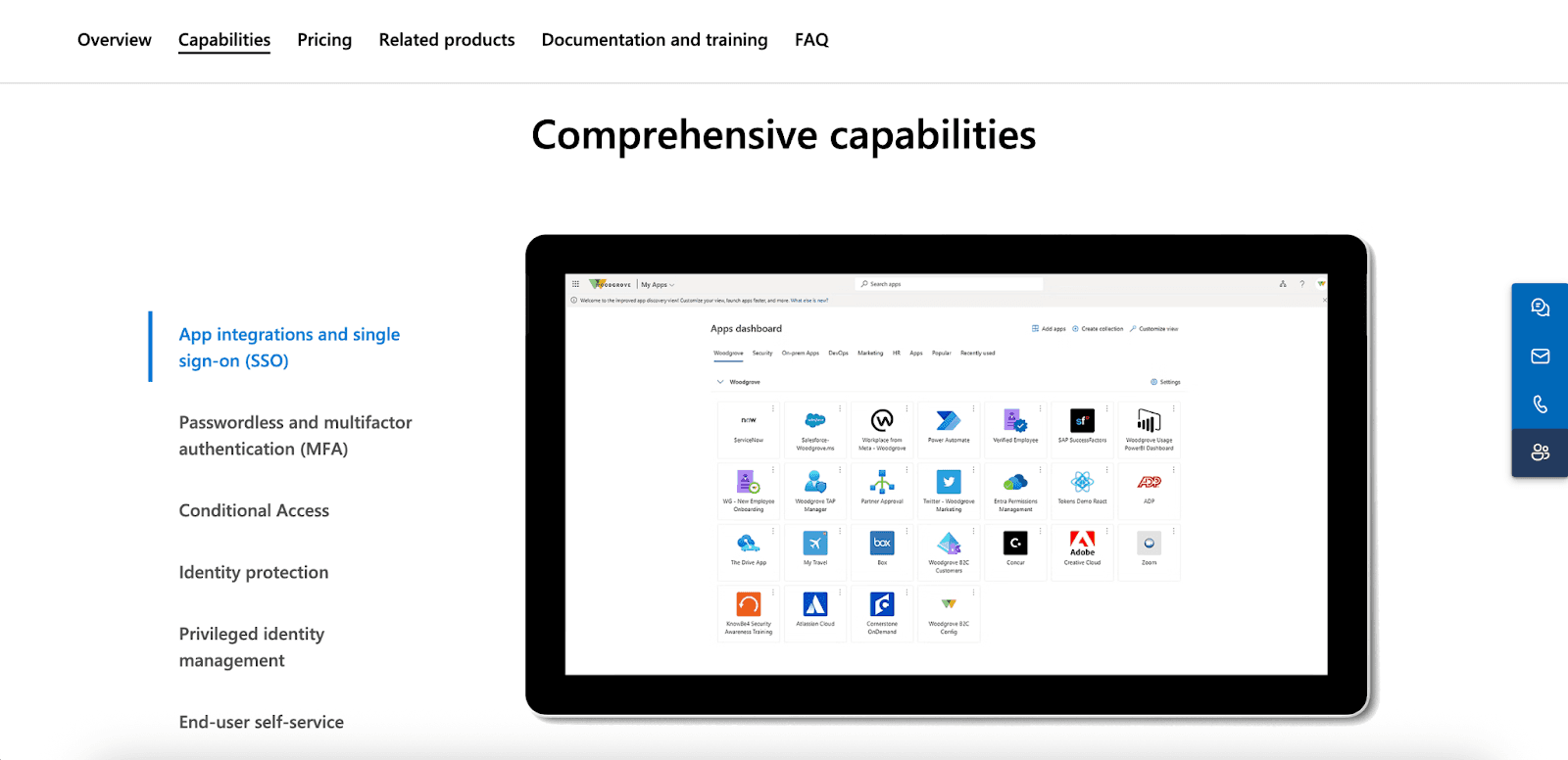
Microsoft Entra ID employs RBAC within a tightly knit Microsoft framework. The service is purpose-designed for hybrid infrastructures, permitting unified identity management across Entra ID and on-premises Active Directory.
Key Entra ID features:
Seamless integration with Microsoft 365.
Context-aware conditional access.
Privileged Identity Management (PIM) to govern critical roles.
Broad enterprise-scale SSO.
Identity federation options via Entra ID B2C.
Winner: AWS excels in diverse, multi-cloud stacks. Entra ID offers unmatched smoothness for businesses rooted in Microsoft software.
Data Protection and Encryption Strategies
AWS KMS centralizes key control and enables scheduled key rotation by default. It integrates with other AWS services and can use keys managed by AWS or by the customer.
Key AWS KMS features:
S3, EBS, and RDS encrypt data at rest using server-side keys.
AWS Encryption SDK enables client-side encryption before data travels to the cloud.
AWS CloudTrail logs provide a history of key invocation and management events.
CloudHSM delivers hardware-based key storage to meet stringent compliance needs.
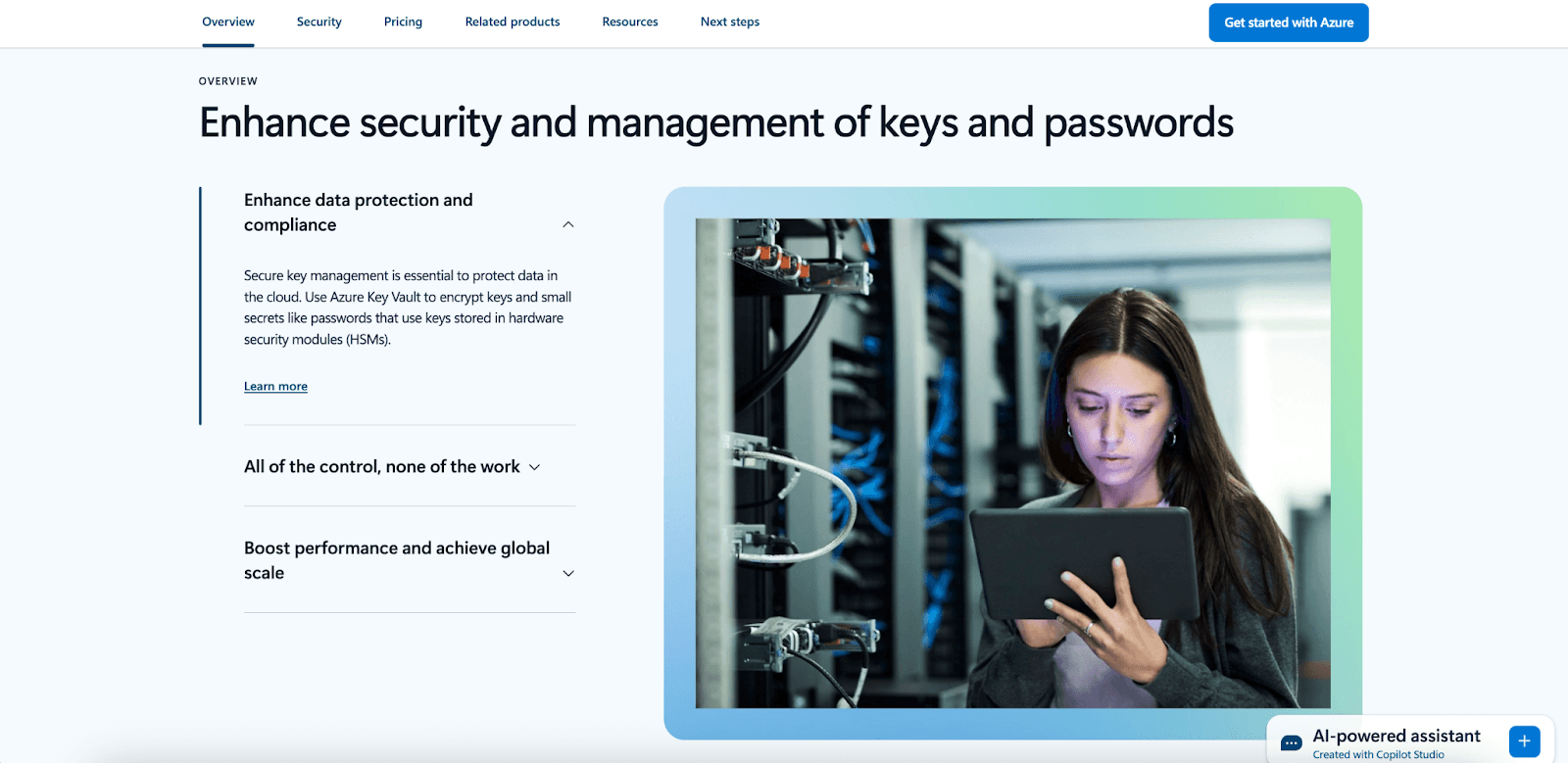
Azure Key Vault centralizes credential management and treats keys, secrets, certificates, server passwords, and any other sensitive data as a single payload. It enables fine-tuned access control over all stored items.
Key Azure Key Vault features:
Secrets, keys, and certificates share identical management policies, enabling consistent governance.
Azure Monitor collates key, secret, and usage logs to streamline compliance audits.
Support for bring-your-own-key.
Key lifecycle management throttles version creation using automatic rotation intervals.
Winner: Tie - both platforms meet high security requirements with excellent key-and-secrets management. Each cloud has unique implementations and integration options, so analysis of existing architectures and compliance needs dictates the best choice.
Monitoring and Threat Detection Capabilities
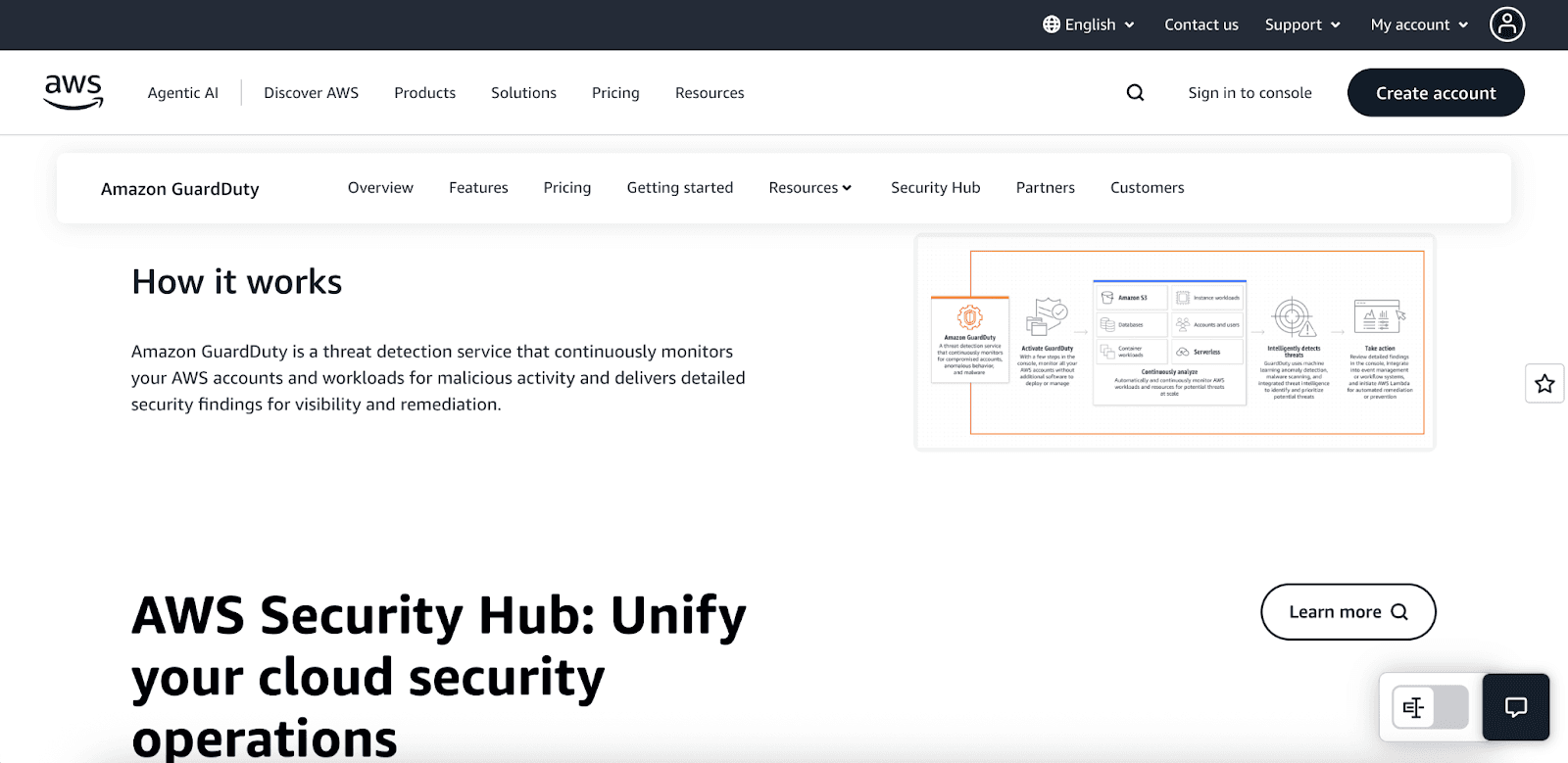
Amazon GuardDuty employs machine learning to sift through VPC flow logs, DNS logs, and CloudTrail events, detecting threats while requiring only minimal configuration. Continuous analysis safeguards your environment with no gaps in coverage.
Key Amazon GuardDuty features:
Real-time automated ingestion of threat intelligence feeds.
Infected S3 object scan and quarantine actions.
Kubernetes API call audit and compliance alerts.
Integration with AWS Security Hub.
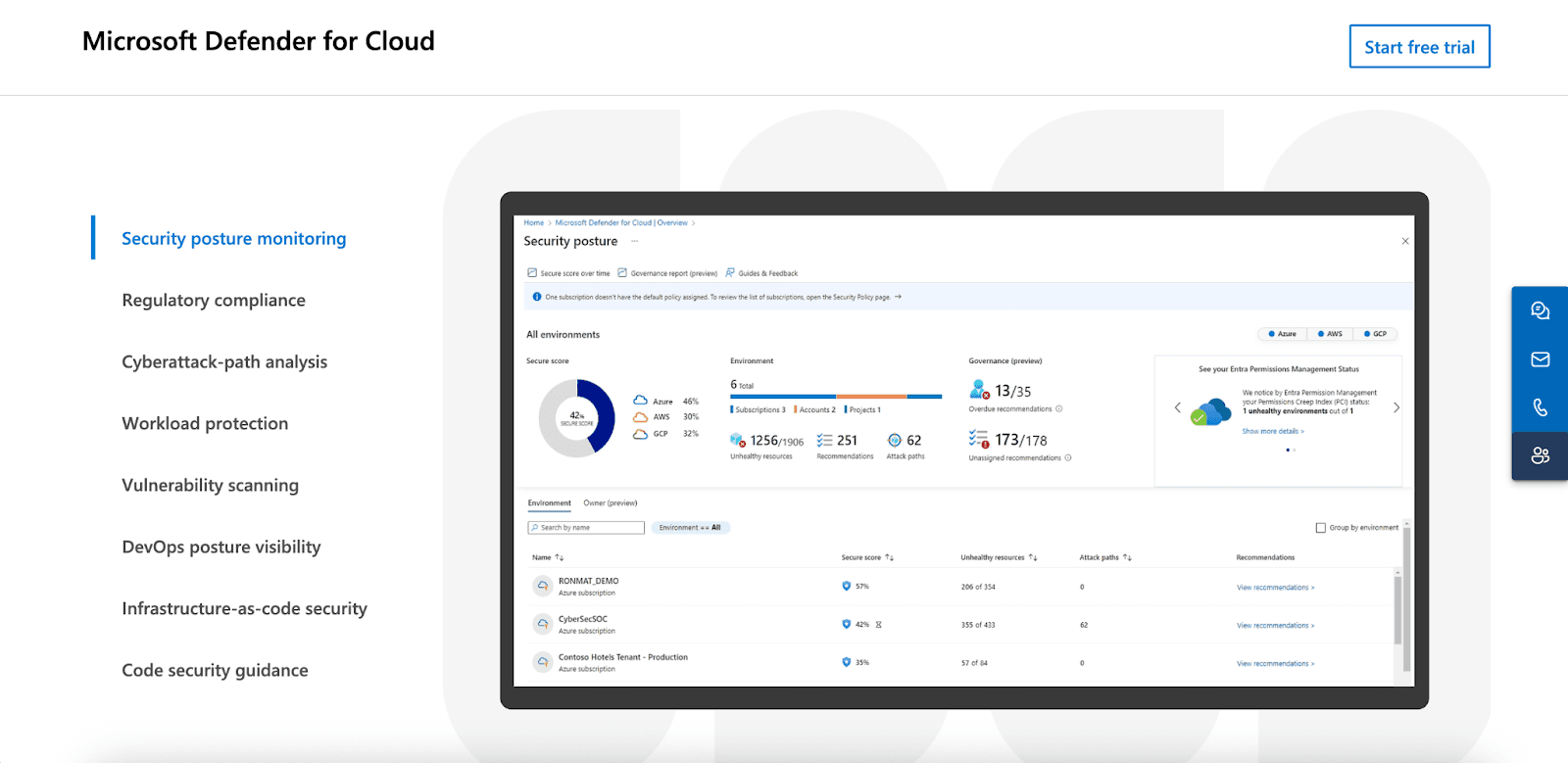
Microsoft Defender for Cloud provides broad threat protection across Azure, hybrid, and multi-cloud architectures. By merging static best-practice checks with runtime threat visibility, it identifies and prioritizes vulnerabilities in hybrid workloads.
Key Microsoft Defender features:
Cloud security posture management with compliance dashboards.
Cloud workload protection covering containers, VMs, and serverless metadata analysis.
Azure Sentinel integration.
AI-driven threat detection, risk scoring, and custom playbook triggers.
Winner: GuardDuty outperforms through tight integration with AWS services, offering uninterrupted detection of risks as they emerge, while Defender for Cloud, though strong, adds extra latency from multi-cloud correlations.
Security Monitoring and Compliance Automation
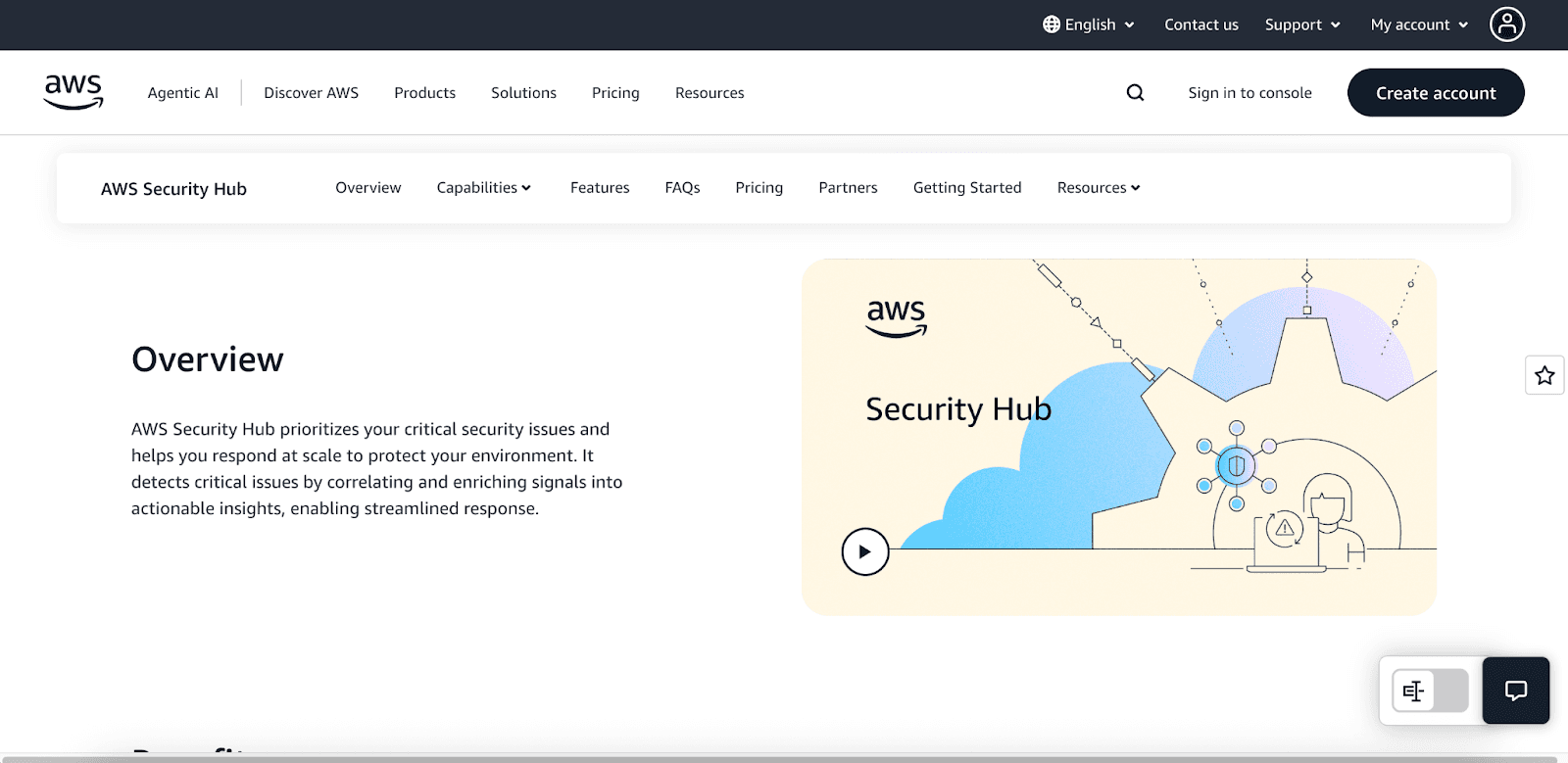
AWS Security Hub acts as a consolidated view for security findings, pooling data from native AWS security services and a variety of third-party systems. Compliance checks are automated, continuously evaluating adherence to benchmarks such as CIS controls and the PCI DSS standard.
Key AWS Security Hub features:
Single pane for security insights.
EventBridge-driven auto-remediation.
Third-party security tool integration.
Ability to define and enforce custom controls.
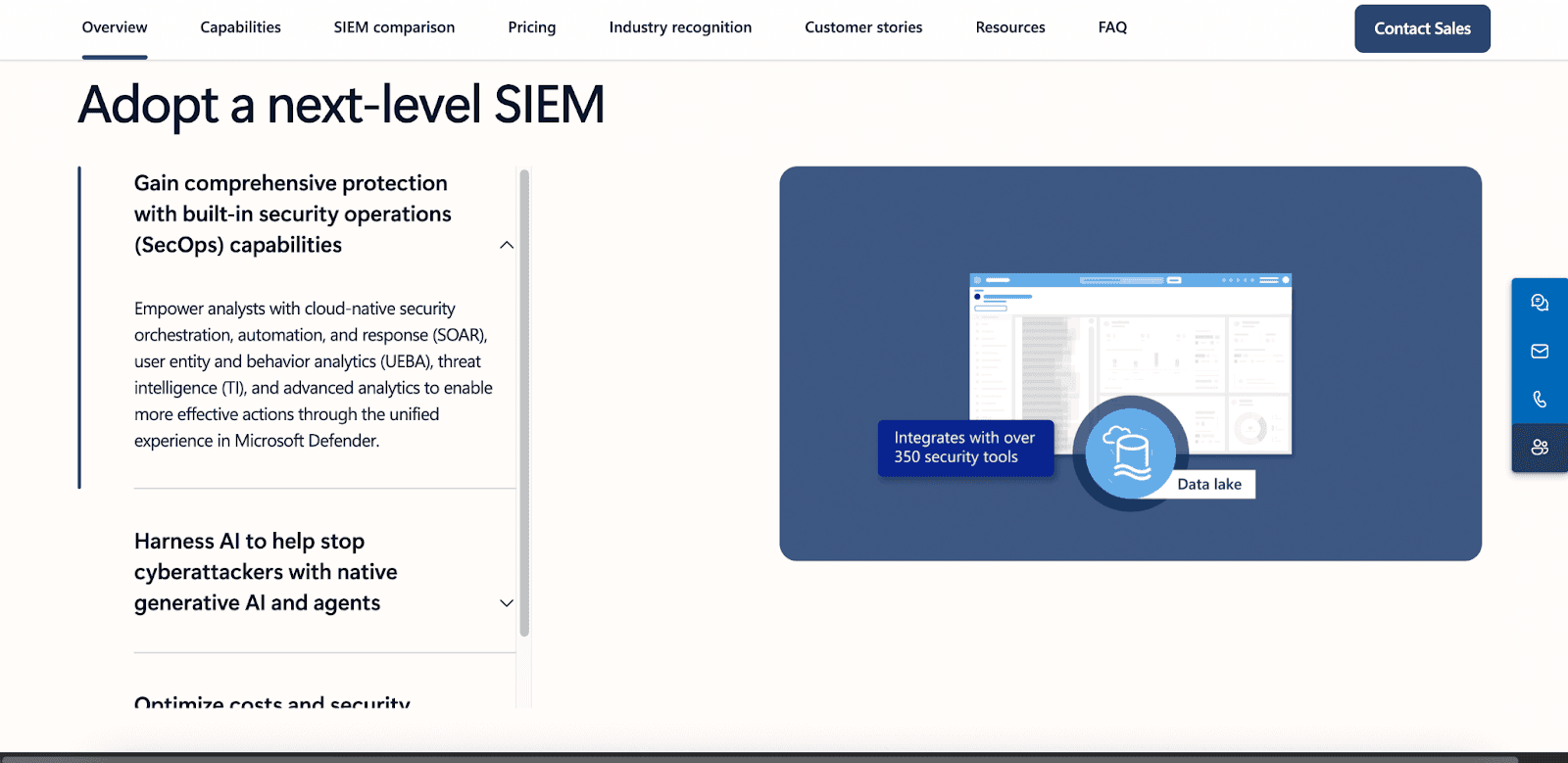
Azure Sentinel functions as a fully managed cloud SIEM and SOAR platform, delivering advanced threat hunting and rapid incident response through a unified console.
Key Azure Sentinel features:
Embedded machine learning detects hidden threats.
Investigation and response are automated.
Integration with Microsoft 365 security tools.
Highly customizable analytics and orchestrated playbooks.
Winner: Azure provides superior security monitoring with its integrated SIEM capabilities.
Advanced Security with Pump Secure
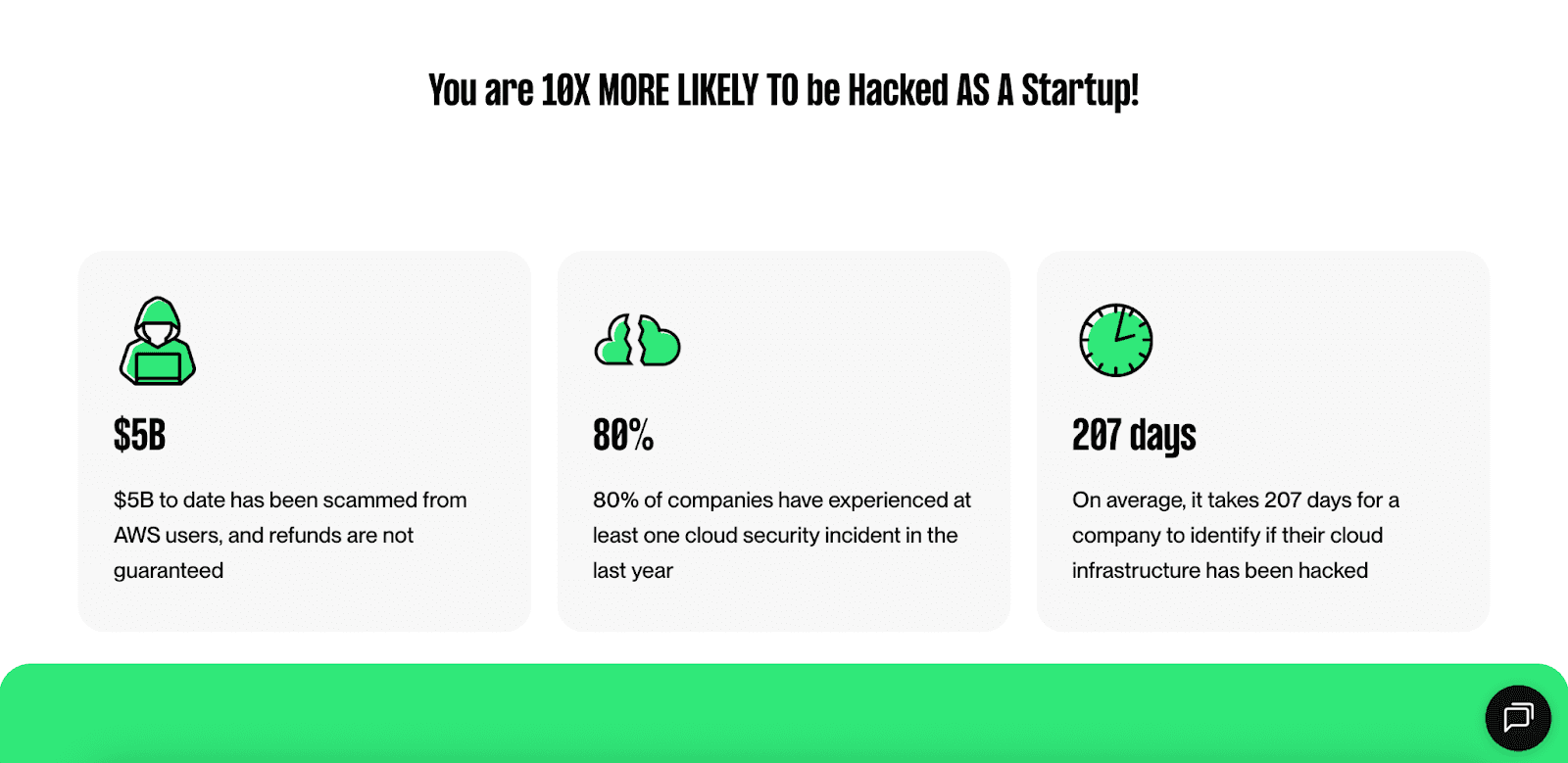
AWS and Azure’s built-in security is certainly strong, but some teams require a deeper defense layer. Pump Secure adds that layer by running 100+ targeted checks across your infrastructure in less than five minutes, surfacing critical vulnerabilities and misconfigurations that native tools might overlook. Already available for AWS, Pump Secure is launching soon for Azure with seamless integration and an easy activation process.
Here’s what Pump Secure delivers in a single, streamlined pipeline:
Complete Security Scans show every possible weak segment.
Detailed Compliance Reports document readiness against your sector’s standards.
Actionable Advice prescribes precise, fast corrective steps.
To keep operations smooth, we function in read-only mode, meaning it won’t interfere with your operations.
Cost Savings & Improved Security: Most security improvements immediately pay for themselves. Data shows simple configuration edits resolve about 45% of critical issues we discover, each adjustment that cuts cloud waste while lifting security and reducing cost.
Choosing the Right Platform for Complex Environments
Multi-cloud security considerations:
AWS leads in a range of services and rich, vetted marketplaces.
Azure gives better Microsoft ecosystem integration.
Both support hybrid connectivity options.
Regulatory compliance factors:
Regional sovereignty rules may lead you to a home-field provider.
Certs are sector-specific, and only some clouds fill every box.
Audit logging is there, but the granularity and ease of use have changed.
Integration complexity:
AWS assigns fine-grained levers, yet with steep mastery curves.
Azure-centered frameworks delegate governance duties more gracefully.
Hybrid stage schemes merit measured architectural orchestration.
Conclusion
Both clouds equip enterprises with industrial-grade security, though AWS and Azure excel in distinct contexts. Personally, I observe AWS as the right choice for hybrid tech stacks needing flexibility and wide third-party ecosystems. Conversely, Azure appeals to organizations already standardized on Microsoft tools, benefiting from native alignment and AI-enhanced protective identity solutions.
The shifting threat landscape leaves no room for complacency. Whichever platform you choose, targeted assessment offerings such as Pump Secure boost built-in protections by layering curated expertise, delivering a fuller safety net. I particularly love how Pump Secure makes complex security measures approachable, letting teams implement sophisticated defense in a matter of clicks instead of weeks.
Strengthen your overall cloud security posture now with an in-depth assessment.